
Malaysia’s gaming community has grown exponentially, with over 20 million active players engaging in various online experiences daily. Multiplayer games have become the cornerstone of this vibrant ecosystem, offering everything from intense competitive matches to collaborative adventures. The country’s robust internet infrastructure, with average speeds exceeding 100 Mbps in urban areas, supports seamless multiplayer gaming across PC, console, and mobile platforms. From iconic MOBA titles to emerging Battle Royale sensations, Malaysian players enjoy diverse genres that cater to both casual and hardcore audiences, establishing the nation as a key player in Southeast Asia’s gaming landscape.
Overview of Multiplayer Games in Malaysia
The Malaysian gaming market reached an estimated value of RM 2.5 billion in 2024, driven primarily by multiplayer experiences that dominate player preferences. Mobile gaming accounts for approximately 65% of the market share, with PC and console gaming sharing the remainder. The rise of affordable smartphones and improved 4G coverage has democratized access to multiplayer games online, enabling participation from diverse demographics.
Government initiatives through the Malaysia Digital Economy Corporation (MDEC) have fostered local game development, with studios like Metronomik and Kurechii gaining international recognition. Local esports tournaments regularly attract thousands of spectators, while streaming platforms have cultivated dedicated communities around competitive titles.
Most Popular Multiplayer Game Genres
MOBA titles dominate competitive gaming circles in Malaysia, with dedicated communities organizing weekly tournaments and training sessions. These games emphasize strategic teamwork, requiring coordination across five-player teams to outmaneuver opponents. The genre’s complexity appeals to players seeking depth and long-term progression systems.
Battle Royale games have captured mainstream attention, particularly among younger demographics aged 16 to 25.
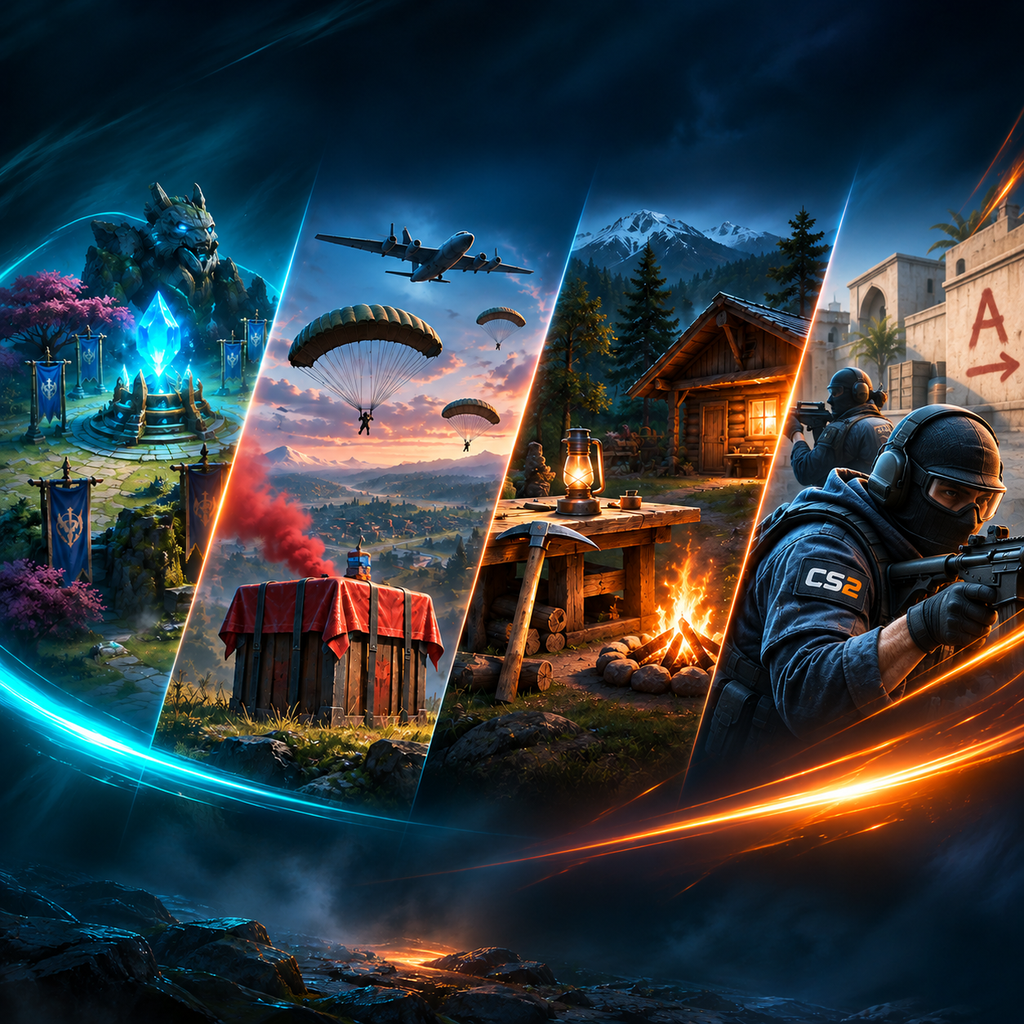
These titles drop dozens of players into shrinking play zones, creating tension-filled encounters that test both tactical thinking and mechanical skill. Mobile Battle Royale variants have proven especially popular during commutes and lunch breaks.
Survival and crafting games attract players interested in long-term collaborative projects. Malaysian gaming communities often establish private servers where clans maintain persistent worlds, fostering friendships that extend beyond individual play sessions. The genre’s emphasis on cooperation over competition resonates with cultural values emphasizing collective achievement.
First-person shooters maintain a loyal following, with both tactical team-based variants and fast-paced arena modes finding audiences. University esports clubs frequently organize FPS tournaments, providing pathways for aspiring professional players.
PC, Console, and Mobile Multiplayer Gaming
PC gaming infrastructure in Malaysia centers around both home setups and commercial gaming cafes. Mid-range gaming PCs priced between RM 3,000 and RM 5,000 dominate the market, capable of running current multiplayer titles at medium to high settings. Cybercafes charge approximately RM 3 to RM 5 per hour, offering access to premium hardware and high-speed connections.
Console gaming has grown steadily, with the PlayStation and Xbox ecosystems each claiming approximately 15% market share. Exclusive multiplayer titles and subscription services providing online multiplayer access have driven adoption, particularly in urban households.
Mobile devices serve as the primary gaming platform for the majority of Malaysian players. Flagship smartphones from brands like Samsung, Xiaomi, and OPPO offer sufficient processing power for graphically intensive multiplayer games. Mobile esports tournaments have emerged as major spectator events, with prize pools reaching six figures and attracting sponsorships from telecommunications providers and consumer brands.
Popular Multiplayer Games Among Malaysian Players
Specific titles have achieved cultural phenomenon status within Malaysia, shaping gaming discourse and community identity. Mobile MOBA games regularly top download charts, with millions of active Malaysian users forming guilds and competing in ranked ladders. These games host localized events celebrating Malaysian festivals, strengthening player engagement through culturally relevant content.
Battle Royale shooters maintain massive player counts, with Malaysian teams occasionally reaching international tournament stages. The games’ free-to-play models remove financial barriers while cosmetic monetization allows players to express individuality without affecting competitive balance.
Co op games focused on player-versus-environment challenges have carved out dedicated niches. These cooperative experiences allow four-player squads to tackle missions requiring coordination and role specialization. The reduced pressure compared to competitive modes makes these titles accessible entry points for newcomers exploring games to play with friends.
Online Co-op and Competitive Game Modes
Cooperative multiplayer modes emphasize teamwork toward shared objectives, contrasting with the adversarial nature of competitive play. Malaysian players appreciate co-op content for lower stress levels and opportunities to include friends with varying skill levels, ensuring everyone contributes meaningfully regardless of experience.
Competitive ranked systems drive engagement through visible progression metrics and seasonal rewards. Players climb ladders by winning matches, with algorithms matching opponents of similar skill levels to ensure balanced contests. The pursuit of higher ranks motivates consistent play, with top-tier players achieving local celebrity status.
Casual multiplayer modes provide low-stakes environments for experimentation and relaxation. Malaysian communities embrace casual modes as social spaces where winning matters less than shared experiences, fostering inclusive environments that welcome players of all backgrounds.
Multiplayer Esports and Local Tournaments
Malaysia’s esports ecosystem has matured rapidly, with organized competitions spanning grassroots community events to internationally sanctioned tournaments. Major cities host dedicated esports arenas equipped with professional broadcasting facilities. Prize pools for premier events regularly exceed RM 100,000, attracting full-time professional players.
Government support through MDEC initiatives has legitimized esports as a career pathway, with programs connecting talented players to sponsorship opportunities and training resources. Universities now offer esports scholarships, recognizing competitive gaming achievements alongside traditional athletic accomplishments.
Mobile esports have democratized competitive gaming by eliminating hardware barriers that previously limited participation. Tournaments held in shopping malls and public spaces attract walk-in competitors, discovering hidden talent outside traditional gaming circles.
Gaming Communities and Social Play
Online communities centered around multiplayer games serve as social infrastructure connecting players across geographic distances. Discord servers and Telegram groups organized around specific titles facilitate coordination for group activities, while also hosting off-topic conversations that deepen friendships.
Physical gaming communities persist through LAN cafes and gaming lounges concentrated in urban centers. These venues host weekly meetups where regulars compete face-to-face, preserving social traditions predating online connectivity.
Content creators and streamers have emerged as community leaders, broadcasting gameplay while interacting with viewers through live chat. Malaysian streamers often switch between English, Malay, Mandarin, and regional dialects, reflecting the nation’s multilingual character.
Internet Connectivity and Online Gaming Experience
Malaysia’s internet infrastructure directly impacts multiplayer gaming quality, with connectivity improvements over the past decade enabling seamless online experiences.

Fiber optic networks in major cities deliver symmetrical speeds up to 500 Mbps for residential customers, ensuring stable connections with minimal latency.
Latency to regional servers typically ranges between 20 and 50 milliseconds for Peninsular Malaysia, providing responsive gameplay in fast-paced multiplayer titles.
Most major multiplayer games maintain Southeast Asian servers ensuring Malaysian players compete under favorable network conditions.
Mobile internet coverage through 4G LTE networks reaches over 95% of populated areas, with 5G deployments accelerating in urban centers. Mobile data plans offering 100GB or unlimited allowances accommodate data-intensive multiplayer gaming, though fixed broadband remains preferable for extended sessions.
Cross-Platform Multiplayer and Cloud Gaming
Cross-platform functionality has unified previously fragmented player bases, allowing PC, console, and mobile users to compete together in supported titles. This technological breakthrough enables friends to play regardless of hardware preferences, strengthening social connectivity that drives engagement.
Cloud gaming services have entered the Malaysian market, offering access to premium titles without expensive hardware investments. These platforms stream games from remote servers, requiring stable high-speed connections but eliminating download times and storage constraints.
Account linking across platforms preserves progression and purchases, allowing players to switch devices without losing access to earned content. This flexibility accommodates lifestyle changes and maintains continuity throughout transitions.
The Future of Multiplayer Games in Malaysia
The trajectory of multiplayer gaming in Malaysia points toward continued growth, with projections estimating market value exceeding RM 3.5 billion by 2027. Demographic trends show gaming participation spreading across age groups, with adults over 35 representing the fastest-growing segment.
Local game development is poised for breakthroughs, with Malaysian studios collaborating internationally while infusing projects with regional cultural elements. Government grants and incubator programs lower financial barriers for independent developers, fostering experimentation that could yield breakout hits.
Virtual reality and augmented reality technologies promise new multiplayer paradigms, though adoption awaits price reductions making hardware accessible to mainstream consumers. As standalone VR headsets approach pricing parity with game consoles, these technologies may capture significant market share.
FAQ
What are the most popular multiplayer games in Malaysia?
Mobile MOBA titles, Battle Royale shooters, and competitive FPS games dominate Malaysian preferences, with millions of active players participating daily. These games offer free-to-play access with competitive ranked systems and regular content updates.
How does internet speed affect multiplayer games online?
Stable connections with minimum 10 Mbps download and latency below 50ms ensure smooth multiplayer experiences for most titles. Fiber optic connections in Malaysian urban areas typically provide 100+ Mbps speeds, while 4G mobile networks deliver sufficient performance for mobile multiplayer games.
Can I play co op games across different platforms?
Many modern multiplayer games support cross-platform play, allowing PC, console, and mobile users to team up regardless of device. Developers typically indicate cross-platform compatibility in game descriptions, with settings allowing players to enable or restrict matchmaking to specific platforms.
Are there age restrictions for multiplayer games?
Malaysian gaming follows international age rating systems, with multiplayer titles displaying classifications indicating appropriate age groups. Parents can implement parental controls on devices and platforms, restricting access based on content ratings and limiting playtime.
What makes games to play with friends engaging long-term?
Successful multiplayer games balance accessibility with depth, allowing newcomers to contribute while rewarding skill development over time. Regular content updates introduce fresh challenges preventing stagnation, while progression systems provide tangible goals.
How do Malaysian players access multiplayer esports tournaments?
Local tournaments are organized by gaming cafes, universities, and esports organizations, with registration typically handled through social media pages or dedicated platforms. Major events occur in Kuala Lumpur, Penang, and Johor Bahru, though online qualifiers enable nationwide participation.